

Explore Italy: Travel Requirements, Best Tourist Spots, and More
Travel Requirements
Italy is currently open to tourists, but there are some entry requirements you will need to fulfill before you can travel there. These requirements may change, so it's important to check the most up-to-date information before you go.
As of April 2023, the general requirements for entry into Italy for tourists are:
If you are a U.S. citizen traveling to Italy for tourism or business purposes and plan to stay less than 90 days, you do not need a visa. However, you will need a valid passport that is valid for at least six months beyond your stay, and you may be asked to show proof of sufficient funds and a return or onward ticket.
COVID-19:
Due to the ongoing COVID-19 pandemic, travelers to Italy may be required to present a negative COVID-19 test or proof of vaccination in order to enter the country. Additionally, there may be restrictions on travel to certain regions of Italy, so it is important to check the latest travel advisories before planning your trip.
Transportation:
Italy has a well-developed transportation system, with options including trains, buses, and taxis. Renting a car is also an option for those who prefer to have more flexibility in their travels. However, traffic can be heavy in major cities, and parking can be difficult and expensive. It is important to have insurance coverage if renting a car.
Accommodations:
Italy offers a wide range of accommodations for travelers, including hotels, bed and breakfasts, apartments, and hostels. Prices can vary depending on the location and season, so it is advisable to book in advance and compare prices.
You should also be prepared to comply with any local COVID-19 regulations during your stay, such as wearing a mask in certain areas or providing proof of vaccination or a negative test result when entering certain venues.
Best Tourist Spots
Italy is famous for its rich history, art, architecture, and delicious cuisine. Some of the best tourist spots to visit in Italy include:
- Rome: The capital of Italy and home to some of the most iconic landmarks in the world, such as the Colosseum, the Pantheon, and the Trevi Fountain.
- Florence: Known as the birthplace of the Renaissance, Florence is full of stunning art and architecture, including the famous Duomo and the Uffizi Gallery.
- Venice: This unique city built on water is famous for its canals, gondolas, and beautiful architecture.
- Cinque Terre: A series of five small towns along the Ligurian coast, each with its own unique charm and breathtaking views.
- Amalfi Coast: A stunning stretch of coastline south of Naples, with colorful towns perched on cliffs overlooking the sea.
- Tuscany: This region of central Italy is known for its rolling hills, picturesque villages, and delicious food and wine.
- Pompeii: The ancient city of Pompeii was buried by the eruption of Mount Vesuvius in 79 AD, and its well-preserved ruins offer a glimpse into life in ancient Rome.
These are just a few of the many amazing places to see in Italy. Each region has its own unique history, culture, and attractions, so be sure to do your research and plan your trip accordingly.
History of Tourist Spots
The Colosseum and the Roman Forum in Rome date back to the ancient Roman Empire, and were used for gladiator fights and public spectacles. The Leaning Tower of Pisa was built in the 12th century as a bell tower for the nearby cathedral, but started leaning due to unstable ground conditions during its construction. Venice was a major center of trade and commerce during the Middle Ages, and its canals were built as a way to transport goods and people. The Florence Cathedral was built in the 15th century, and is considered a masterpiece of Gothic architecture. The ruins of Pompeii were preserved in volcanic ash after the eruption of Mount Vesuvius in 79 AD, and offer a glimpse into daily life during the Roman Empire. The Amalfi Coast has been a popular tourist destination since the 19th century, and is known for its stunning scenery and picturesque towns.
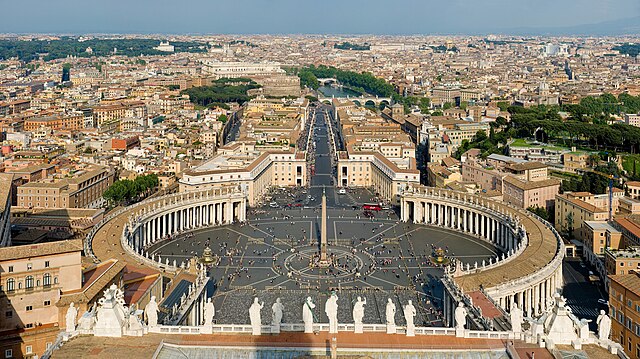
Vatican City, Rome: Vatican City is the smallest country in the world and the spiritual and administrative center of the Roman Catholic Church. It was established as an independent state in 1929 by the Lateran Treaty between the Holy See and Italy.
Pompeii, Naples: Pompeii was a Roman city that was destroyed by the eruption of Mount Vesuvius in 79 AD. The city was buried under layers of ash and pumice, preserving many of its buildings, frescoes, and mosaics. Today, Pompeii is one of the world's most famous archaeological sites.
Florence Cathedral, Florence: The Florence Cathedral, also known as the Duomo, is a masterpiece of Renaissance architecture. It was designed by Filippo Brunelleschi and construction began in 1296. The cathedral's dome is one of the largest in the world and its intricate facade features sculptures by artists such as Donatello and Andrea del Verrocchio.
Leaning Tower of Pisa, Pisa: The Leaning Tower of Pisa is one of Italy's most recognizable landmarks. Construction began in 1173, but the tower began to lean during its construction due to soft ground. The tower was eventually completed in 1350, and its lean has been stabilized through various restoration efforts.
Venice Canals, Venice: The canals of Venice are a unique and beautiful way to explore the city. They were originally built for transportation and trade in the 12th century, but today they are a popular tourist attraction. The Grand Canal is the largest and most famous canal, lined with palaces and historic buildings.
These are just a few examples of the rich history and culture that Italy has to offer. Whether you're interested in art, architecture, or history, there is something for everyone in this beautiful country.
Population and Geography
Italy is located in southern Europe and has a population of approximately 60 million people. It is the 23rd largest country in the world by land area, covering around 301,000 square kilometers. Italy shares land borders with France, Switzerland, Austria, and Slovenia, and its coastline stretches for more than 7,600 kilometers along the Mediterranean Sea, the Adriatic Sea, and the Ionian Sea.
Here's a link to the Wikipedia page on Italy for more information: https://en.wikipedia.org/wiki/Italy
Italian Cuisine
Shopping
Safety Tips
- Be aware of pickpockets, especially in crowded areas
- Keep your valuables secure and out of sight
- Avoid walking alone at night in unfamiliar areas
- Be cautious when using ATMs and avoid using ones that are isolated or in poorly lit areas
FAQs
Q: Is it safe to travel to Italy during the COVID-19 pandemic?A: Italy is currently enforcing COVID-19 restrictions for travelers. Visitors from the United States must present a negative COVID-19 test taken within 72 hours before arrival or proof of vaccination. Check with your airline and the Italian embassy for the latest requirements and updates.